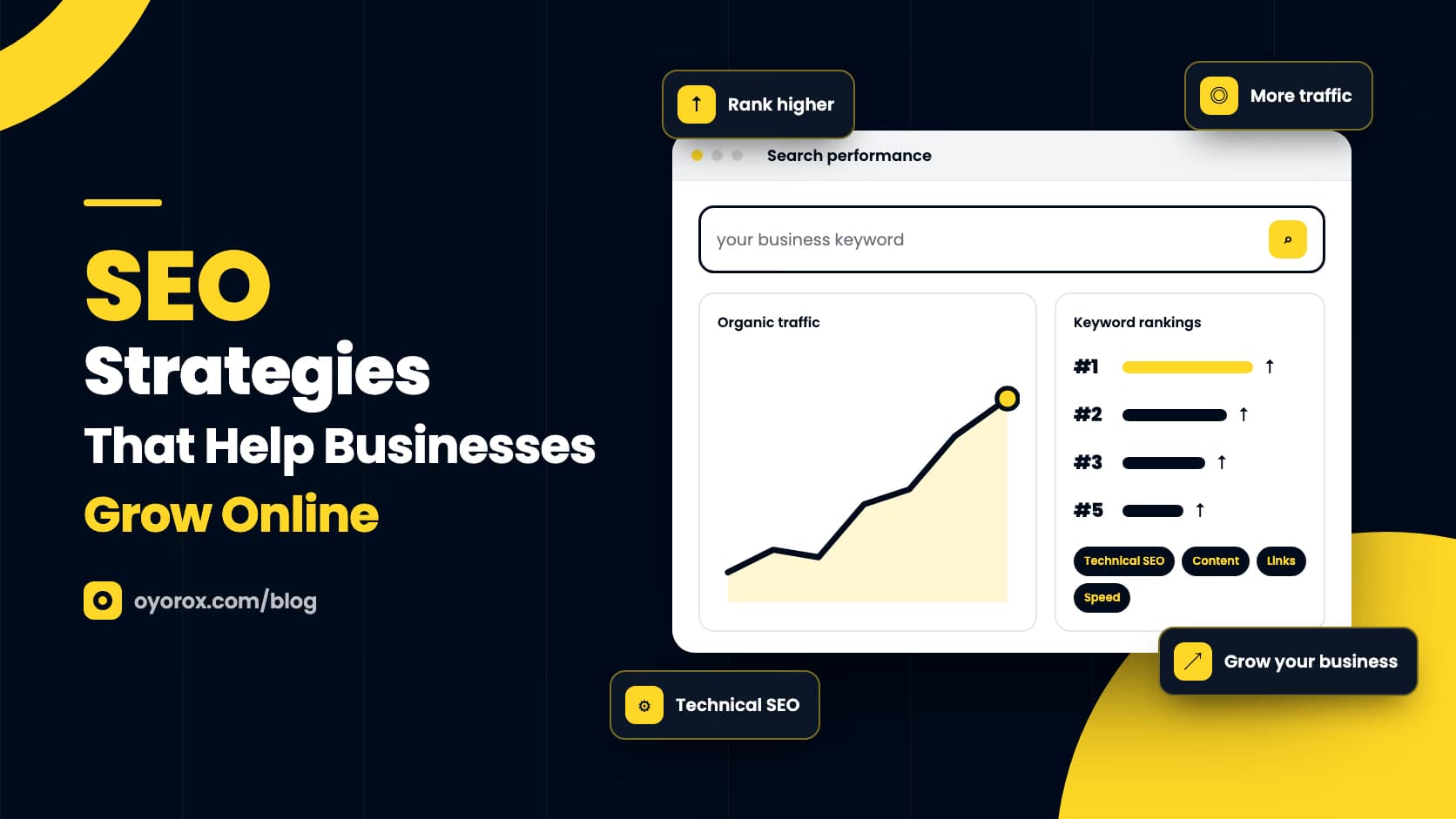
Discover practical SEO strategies to improve search visibility, attract qualified traffic, and support long-term business growth.
Search engine optimization remains one of the most reliable ways for a business to attract customers online. Unlike paid ads, which stop working the moment the budget runs out, well-optimized pages can keep bringing in qualified visitors for months or years. The catch is that SEO rewards consistency and quality, not shortcuts.
This guide covers practical SEO strategies that help businesses improve visibility, attract the right traffic, and build growth that compounds over time. None of them are secrets. What separates successful sites is the discipline to apply them well and keep improving.
Get the Technical Foundations Right
Great content can’t perform if search engines struggle to crawl and index it. Start by making sure your site is technically sound:
- Serve every page over HTTPS and fix mixed-content warnings.
- Submit an XML sitemap and check for indexing problems in Google Search Console.
- Make sure important pages aren’t accidentally blocked by robots rules or noindex tags.
- Use a clean, logical URL structure and avoid long redirect chains.
- Design for mobile first, since search engines primarily evaluate the mobile version of your pages.
- Improve page speed by optimizing images, limiting heavy scripts, and choosing reliable hosting.
On WordPress, this often comes down to choosing a well-built theme, keeping plugins lean and updated, and using an SEO plugin to manage titles, sitemaps, and indexing settings.
Research Keywords Around Search Intent
Effective keyword research is less about finding high-volume terms and more about understanding what people actually want when they search. Someone searching “what is a CRM” wants an explanation. Someone searching “best CRM for small business” is comparing options. Someone searching a specific product name is close to buying. Each intent calls for a different type of page.
Map Keywords to Pages
Assign a primary topic to each important page and group closely related keywords under it. This prevents multiple pages from competing for the same query and makes it clear where new content is needed. Service pages, product pages, and blog articles should each target the intent they are best suited to serve.
Create Content That Deserves to Rank
Search engines aim to reward content that genuinely helps people. That means answering the question fully, drawing on real experience, and presenting information clearly. Before writing, look at what already ranks for your target query and ask how you can be more useful, more specific, or more current.
Optimize the On-Page Essentials
Write descriptive title tags and meta descriptions that match intent and encourage clicks. Use one clear H1 and logical subheadings so readers and crawlers can follow the structure. Add descriptive alt text to images, and link to related pages on your site so visitors can keep exploring. Where relevant, structured data can help search engines understand products, articles, FAQs, and business details.
Don’t forget existing content. Updating and consolidating older posts that already have some visibility is often faster than publishing something new.
Build Authority and Local Visibility
Earn Links Naturally
Links from relevant, reputable sites remain an important signal of trust. The sustainable way to earn them is to create assets worth referencing, such as original research, practical tools, detailed guides, or useful templates, and to build relationships with partners, suppliers, and industry publications. Avoid buying links or joining link schemes, which can lead to penalties and long-term damage.
Strengthen Local SEO
If you serve customers in specific areas, complete and maintain your Google Business Profile, keep your name, address, and phone number consistent across directories, encourage genuine reviews, and create location pages with real, useful information rather than copied templates.
Measure, Learn, and Iterate
SEO is an ongoing process, so build a simple routine around data. Google Search Console shows which queries bring impressions and clicks, which pages are indexed, and where technical issues appear. Analytics tools show what visitors do after they arrive. Together, they reveal pages that rank but don’t convert, queries where you appear on page two, and content that is slowly losing traffic.
Review these signals monthly and turn them into a short list of actions. If you don’t have the time or in-house expertise, an experienced partner such as Oyorox’s SEO team can help set priorities and handle the technical work.
SEO growth is rarely about one big win. It comes from steady, well-chosen improvements that build on each other month after month.
Final Thoughts
The businesses that grow through search treat SEO as part of how they operate, not as a one-time project. Fix the technical basics, understand what your audience is searching for, publish genuinely helpful content, earn trust over time, and let data guide your next steps. Patience and consistency are what turn those efforts into lasting visibility.